

For years, the entry ritual of the reselling trade was the same everywhere: buy a liquidation pallet sight unseen, crowbar it open on camera or in a lock-up, and discover whether you had purchased a small business or an expensive skip run. The unboxing made great content. As a procurement strategy, it made rather less sense.
That era is ending — not because the surplus stock dried up, but because the people buying it professionalised. The resellers building real businesses in 2026, particularly the fast-growing cohort selling through live streams, have quietly abandoned the mystery pallet for something the traditional liquidation trade never offered: knowing what you are buying before you pay for it.
Why the blind pallet stopped making sense
The mystery pallet was always a transfer of risk dressed up as a bargain. Liquidators bundled returns, overstock and unsaleable items together precisely because separating them cost money; the discount reflected the fact that the buyer was absorbing the sorting problem and the duds.
That trade-off could work when reselling meant patient listing on static marketplaces — a slow channel could tolerate slow-moving surprises. It collapses under the economics of modern resale. A live seller planning Thursday’s stream needs a coherent show: known brands, a spread of sizes, price points that make sense together. “Whatever is in the box” is not a plan; it is an apology for one.
The returns problem compounded matters. Pallets built from customer returns carry items that failed once already — damaged, worn, missing components. For a seller whose reputation lives on review scores and repeat viewers, every dud that slips through is paid for twice: once in the pallet, once in the refund.
What replaced it
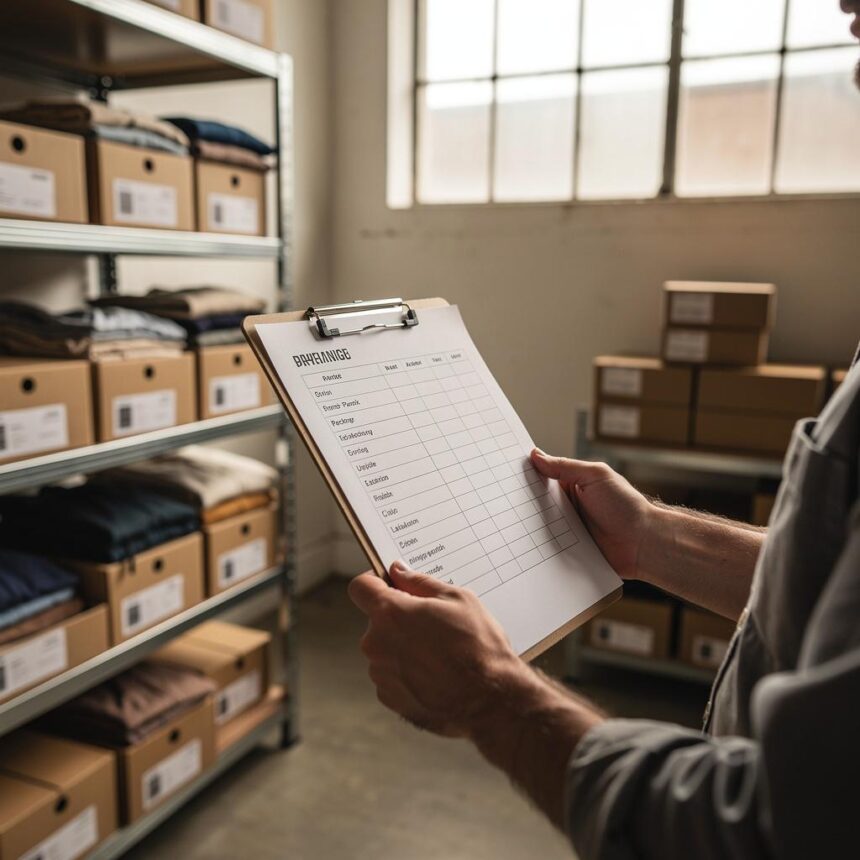
The suppliers winning the professional end of the market inverted the old model. Instead of anonymised mixed loads, they sell branded surplus — overproduction, cancelled orders, past-season collections; new stock, not returns — in curated lots that come with a manifest: a packing list itemising brands, categories, sizes and quantities, priced per piece.
The difference is not cosmetic. A manifest turns sourcing from a gamble into a margin calculation. A reseller can see that a lot works out to a given cost per item, map that against realistic selling prices, and know their spread before committing — then plan an entire live show around inventory they can describe accurately on camera, down to the size run.
Dedicated offers built around branded wholesale lots for live sellers formalise exactly this: per-piece pricing, full packing lists, and stock assembled for people who need to know their numbers before the camera turns on. It is procurement catching up with how resale actually operates now.
Documentation became part of the product
There is a second shift, less discussed but arguably more important: paperwork. Professional resellers increasingly insist on invoices and chain-of-custody documentation for branded stock — proof of where goods came from and the right to sell them.
Partly this is platform survival: marketplaces enforce strict counterfeit policies, and an account suspension over unverifiable goods can end a business overnight. Partly it is customer-facing: a live seller who can show documentation on camera converts sceptical viewers in a way no amount of patter can. Either way, “no questions asked” stock has repriced itself from a bargain into a liability.
The bar moved
None of this means the mystery pallet has vanished — there remains a market for gambling, and content creators will unbox surprises as long as surprises get views. But as a way of running a resale business, its logic has inverted. The discount for buying blind no longer covers the cost of what blindness does to a seller who streams to the same audience every week.
The professionals’ new baseline is unremarkable in any other industry and revolutionary in this one: know what you are buying, what each piece costs, and where it came from. Resale grew up. Its supply chain finally did too.
Read also Best Wireless Presentation Clickers: A Simple Buying Guide