

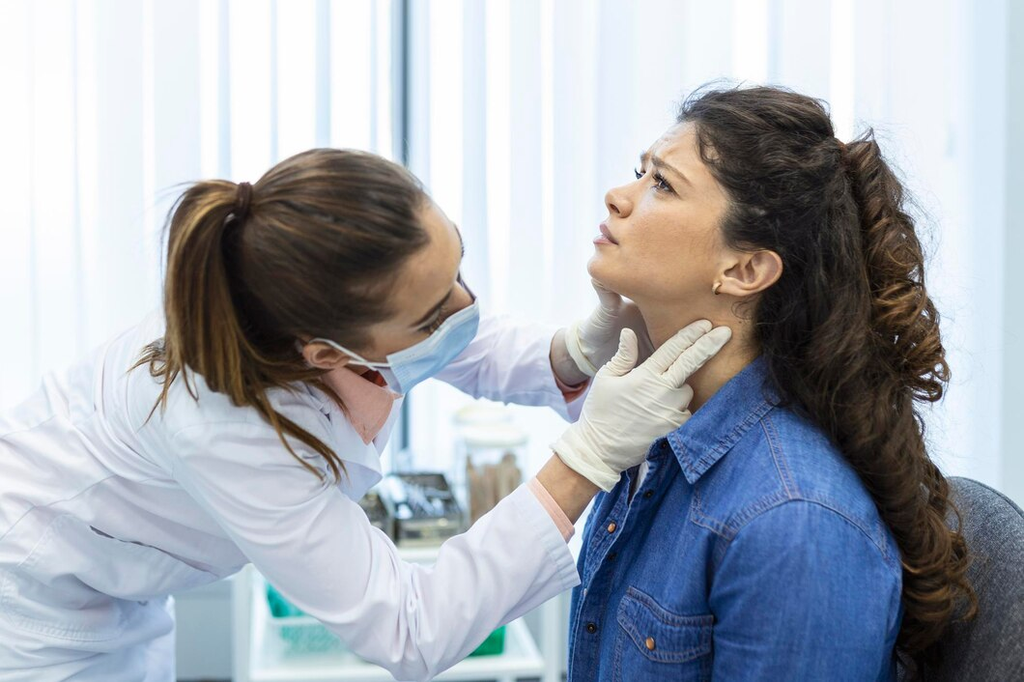
Experiencing sudden swelling beneath the jaw or sharp pain while eating can be alarming and uncomfortable. These symptoms frequently stem from sialolithiasis, a medical condition where small calcium deposits form within the salivary ducts, obstructing the flow of saliva into the mouth. Seeking timely blocked salivary glands treatment in London ensures that patients receive an accurate diagnosis before further complications develop. When left untreated, a simple duct obstruction can escalate into a severe infection or cause permanent damage to the affected gland. London offers access to specialized Ear, Nose, and Throat (ENT) clinicians who utilise advanced, gland-preserving techniques. Understanding why prompt intervention is crucial helps individuals make informed decisions regarding their oral health.
Understanding Salivary Gland Stones and Blockages
Salivary gland stones, clinically known as sialoliths, are hardened mineral deposits that form inside the ducts of the salivary glands. The submandibular glands, located beneath the floor of the mouth, are the most common site for these obstructions due to the upward trajectory of their ducts and the higher calcium content of their saliva. The parotid glands, situated near the front of the ears, can also develop stones.
Primary Causes and Common Symptoms
Stones typically develop when saliva becomes concentrated or stagnant. Dehydration, certain medications that reduce fluid production, and poor oral hygiene increase the likelihood of mineral crystallization. When a stone grows large enough to obstruct the duct, saliva builds up behind the blockage, causing severe pressure. Common symptoms include:
● Painful swelling in the cheek, jaw, or under the tongue, particularly during meals
● A persistent dry feeling inside the oral cavity
● Difficulty opening the mouth or chewing comfortably
● Unpleasant tastes caused by stagnant salivary fluid or localized infection
Obtaining precise salivary gland stone treatment early helps clear the obstruction before severe inflammation damages delicate glandular tissue. Patients who recognise these warning signs should consult a specialist promptly rather than waiting for the discomfort to resolve naturally.
Risks of Delaying Care for Salivary Gland Obstructions
Ignoring a blocked salivary duct rarely resolves the issue and often leads to worsening clinical problems. As saliva accumulates behind an obstruction, the trapped fluid creates an ideal environment for bacterial proliferation. This can trigger an acute bacterial infection known as sialadenitis, characterised by severe localized pain, skin redness, fever, and purulent discharge into the mouth.
Complications from Prolonged Obstruction
If sialadenitis remains untreated, the infection can progress to form an abscess—a painful collection of pus within the gland or surrounding neck tissues. Abscesses require urgent surgical drainage and course of intravenous antibiotics, transforming a manageable condition into a medical emergency.
Furthermore, chronic duct obstruction subjects the gland to constant internal pressure and recurring low-grade infections. Over time, this pressure causes irreversible atrophy of the functional glandular cells, which are gradually replaced by fibrous scar tissue. The gland may permanently lose its ability to produce saliva, contributing to chronic dry mouth (xerostomia). Chronic xerostomia increases the risk of rampant dental caries, gum disease, and persistent difficulty swallowing. Seeking prompt professional intervention protects gland function, prevents tissue necrosis, and eliminates the need for extensive surgical procedures later on.
Modern Techniques in Salivary Gland Stone Removal
Medical advancements have transformed how clinicians address sialolithiasis. Historically, removing a stubborn stone meant complete surgical excision of the affected gland, leaving visible neck scars and carrying risks of facial nerve injury. Today, modern interventions prioritise preserving the gland while ensuring rapid patient recovery.
Minimally Invasive Interventions
The primary approach in contemporary care is sialendoscopy. This technique involves introducing a tiny endoscope—measuring less than one millimetre in diameter—directly into the opening of the salivary duct. Through this micro-camera system, specialists can visualize the blockage directly and deploy microscopic baskets or micro-forceps to retrieve the stone without external incisions.
For larger stones, extracorporeal shockwave lithotripsy (ESWL) offers an effective non-surgical alternative. High-energy acoustic pulses fragment the stone into smaller pieces, allowing them to wash out naturally with salivary flow. In cases where stones rest near the duct opening, a minor intraoral procedure under local anaesthesia easily releases the obstruction. Effective salivary gland stone treatment focuses on using these conservative options to relieve pain swiftly while maintaining normal salivary function and aesthetics.
Accessing Specialist Care and Diagnostics in London
London is home to leading ENT medical centres equipped with state-of-the-art diagnostic technology. Evaluating a suspected salivary duct blockage requires precise imaging to determine the stone’s exact size, location, and composition, as well as the overall health of the ductal system.
Advanced Diagnostic Capabilities
During an initial consultation, specialists perform detailed clinical assessments alongside advanced imaging modalities. High-resolution ultrasound serves as the first line of investigation, accurately detecting radiolucent and radiopaque stones without exposing the patient to radiation. For complex or deeply situated stones, non-contrast cone-beam computed tomography (CBCT) or magnetic resonance sialography provides clear three-dimensional visualisations of the soft tissue structures.
Securing comprehensive blocked salivary glands treatment in London gives patients access to multidisciplinary teams comprising head and neck surgeons, radiologists, and oral medicine experts. These specialists collaborate to design personalised treatment plans tailored to each patient’s specific anatomical needs. Early diagnostic imaging prevents unnecessary treatments and ensures that conservative, gland-preserving options are prioritised wherever possible.
Long-Term Oral Health and Post-Treatment Recovery
Following successful stone removal or duct clearance, patient recovery is typically quick and straightforward, especially when minimally invasive procedures are employed. Most individuals resume normal daily activities within twenty-four to forty-eight hours, experiencing immediate relief from mealtime swelling and localized pressure.
Preventing Stone Recurrence
Maintaining healthy salivary flow is essential to prevent future stone formation and maintain long-term oral health. Patients receive tailored guidance on lifestyle adjustments, including:
● Maintaining high daily hydration levels to keep saliva thin and flowing smoothly
● Utilising sialogogues, such as lemon drops or sour sweets, to stimulate natural gland secretion
● Practising gentle glandular massage under expert guidance to encourage fluid movement
● Maintaining rigorous oral hygiene practices to minimise bacterial counts near duct openings
Accessing professional blocked salivary glands treatment in London ensures ongoing follow-up care to monitor duct healing and prevent strictures. By combining expert clinical removal with dedicated home care routines, patients safeguard their salivary function and protect against future blockages.
Salivary gland stones cause significant pain and disruption to everyday activities, but modern medical procedures offer safe, efficient solutions. Promptly seeking professional medical care prevents severe complications such as acute infections, abscess formation, and permanent tissue damage. With advanced diagnostic imaging and gland-preserving endoscopic techniques now widely accessible, patients can achieve full recovery without open surgery. If you experience mealtime swelling or persistent discomfort in the jaw or cheek, consulting an ENT specialist ensures a fast, effective resolution. Comprehensive care clears duct obstructions and restores everyday comfort, protecting your oral health and overall well-being for years to come.