

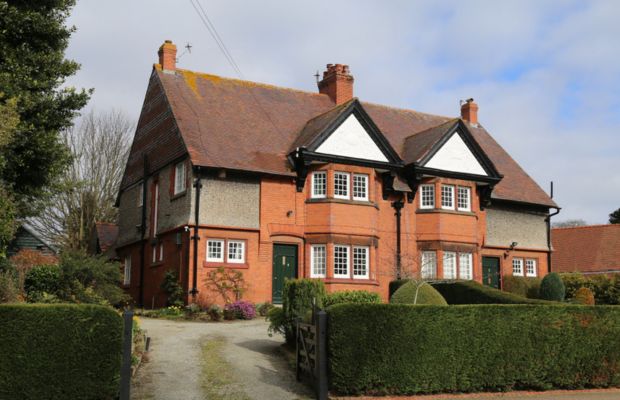
Most property purchases follow a familiar path: find a home, agree a price, instruct a solicitor and complete within a few months. Some do not. A house sold by an executor, a Grade II listed cottage with crooked beams or a property with a split title can raise questions that an ordinary buyer has never met. In these cases, an Experienced Buying Agent can be the difference between a smooth purchase and an expensive, stressful one. This article looks at three types of complex purchase, the pitfalls in each and the kind of experience that helps you navigate them.
Probate purchases
A probate sale occurs when someone has died and their property is sold by the executors or administrators of the estate. These homes can be attractive, because the sellers are often motivated and the property may have been in the same family for decades. They also come with particular complications.
Timing and authority. The seller must have legal authority to sell, usually through a grant of probate or letters of administration. Some properties are marketed before this has been obtained, which means an agreed sale cannot proceed until the grant is issued. That can take weeks or months, and your agent should help you judge whether the delay is acceptable.
Condition. Homes that have belonged to one household for a long time may be unmodernised. Outdated wiring, old heating systems and neglected repairs are common, and a thorough survey is essential.
Multiple decision makers. Several executors or beneficiaries may need to agree on the price and the timing. Disagreements can slow things down or cause a sale to fall through. An experienced agent will ask early who the decision makers are and how united they appear.
Listed buildings
Listing recognises a building’s special architectural or historic interest, and it brings both charm and obligations. In England, buildings are listed at Grade I, Grade II* or Grade II, with Grade II being by far the most common.
Restrictions on alterations. Listed building consent is generally required for works that affect the character of the building, inside as well as out. That can include replacing windows, removing internal walls, changing roofing materials or even altering paint finishes in some cases. Carrying out unauthorised works can lead to enforcement action, and the liability can pass to the new owner.
Past work. One of the most important checks is whether previous owners obtained consent for alterations. If an extension or conversion was completed without permission, you may inherit the problem. Your solicitor should investigate, and your agent can help identify warning signs during viewings.
Maintenance costs. Traditional materials and specialist craftspeople can be expensive. Lime plaster, handmade tiles and sympathetic repairs generally cost more than standard alternatives. A building survey from a surveyor with listed building experience is highly advisable.
Insurance and finance. Insurers may require specialist cover, and some lenders take a cautious view of older or unusual buildings. Raise these issues early with your broker.
Unusual titles and tenures
The legal ownership of a property is usually clear, but sometimes it is not. Unusual titles can make a purchase more difficult or more risky, and they sometimes affect a buyer’s ability to obtain a mortgage.
Examples include:
• Possessory or qualified titles, where the Land Registry has not been satisfied that ownership is fully proved.
• Shared freeholds, where owners of flats jointly own the freehold through a company, with obligations that vary.
• Short leases, which reduce value and can be expensive to extend.
• Flying freeholds, where part of a property sits over land belonging to someone else.
• Restrictive covenants and rights of way, which may limit your use of the land or give others access over it.
• Unregistered land, where title deeds must be examined in detail.
None of these issues necessarily makes a property unsuitable. Many are manageable with the right advice, and sometimes they create an opportunity to buy at a discount. But you need to understand them fully before you commit.
What experience looks like
In complex cases, experience is not an abstract quality. It shows up in practical ways:
• Pattern recognition. An experienced agent has seen similar situations before and knows where trouble tends to arise.
• The right questions at the right time. Rather than discovering an issue after you have exchanged contracts, you identify it at viewing or when the particulars are first reviewed.
• Access to specialists. Agents with a track record in complex purchases usually know which solicitors, surveyors and other professionals are comfortable with unusual properties.
• Realistic timelines. They can advise how long a probate sale, a listing consent query or a title issue is likely to take.
• Negotiation based on facts. Where a complication affects value, an agent can use it to support a fair adjustment in price.
Questions to ask your agent
If you are considering a complex purchase, ask a prospective agent:
1. Have you handled this type of purchase before, and how recently?
2. What were the main challenges, and how did you resolve them?
3. Which specialist advisers would you recommend, and why?
4. How would you expect the timeline to differ from a standard purchase?
5. What risks would make you advise me to walk away?
Build in time and flexibility
Complex purchases are rarely quick. Allow extra time for enquiries, searches and, where relevant, consent checks or probate. Keep your finances flexible and ask your broker to confirm that the lender will accept the property before you incur significant costs. Also consider setting aside a contingency for repairs or legal work.
Experience is protection
It is tempting to be drawn to a distinctive home with a bargain price. But complexity can conceal costs that only emerge once you have committed. The right agent, working alongside a capable solicitor and surveyor, helps you see the whole picture, weigh risk against reward and proceed only when the numbers and the legal position make sense. In purchases where problems are most likely to surface, experience is not a luxury. It is a form of protection.