

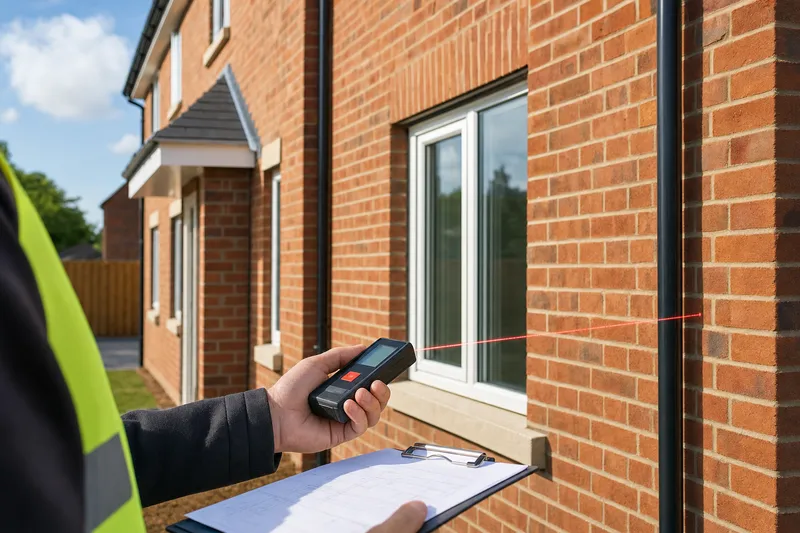
Buying a new build property Manchester has to offer can feel like a fresh start: modern design, good energy efficiency and no previous owners. However, a brand-new home is not automatically a perfect one. Even well-regarded builders leave behind small defects, known as snags, and occasionally larger ones. Spotting them before you complete gives you leverage to have them fixed at the developer’s expense. This checklist explains what to look for, when to inspect and how to get problems resolved.
What Is Snagging?
Snagging is the process of inspecting a newly built home to identify defects, unfinished work and poor workmanship. Typical snags include scratched windows, uneven paintwork, loose fittings and gaps around skirting boards. More serious issues might involve damp, faulty electrics or plumbing leaks.
Developers usually carry out their own checks, but their priority is handing over the property on schedule. An independent view helps ensure nothing is missed.
When Should You Inspect?
The ideal time is after the builder says the home is ready but before you complete the purchase. Many developers allow a pre-completion viewing, sometimes called a home demonstration. Book it for daylight hours, because natural light shows flaws that artificial lighting can hide. Avoid inspecting in heavy rain unless you want to test for leaks, and allow at least two to three hours.
Should You Hire a Professional?
You can snag a property yourself, and a methodical approach will catch many issues. A professional snagging inspector, however, brings experience, specialist equipment such as moisture meters and thermal cameras, and a detailed written report that developers tend to take seriously. For larger homes, or if you are buying as an investor, the fee is often money well spent.
The Snagging Checklist
Take photographs of everything, label them by room and keep a written list. Bring a torch, a tape measure, a phone charger to test sockets, a spirit level and some masking tape or sticky notes to mark defects.
Exterior
• Check the brickwork and mortar for cracks, gaps or uneven pointing.
• Look at the roof tiles, gutters and downpipes for damage or misalignment.
• Make sure the front door and garage door open and close smoothly.
• Inspect the driveway, paths and patio for cracks and sound drainage.
• Examine the garden: levels, fencing, turf and any areas of standing water.
• Confirm the boundaries match your plans.
Doors and Windows
• Open and close every window and door, checking the locks and handles.
• Look for scratches, chips or condensation between glazing panes.
• Check for draughts and ensure seals sit evenly.
• Test that all keys work.
Walls, Ceilings and Floors
• Look along walls in different light for patchy paint, cracks and bumps.
• Check ceilings for stains, which may indicate leaks.
• Walk across the floors, listening for creaks and feeling for unevenness.
• Inspect carpets, laminate and tiles for damage, gaps or poor cuts.
• Make sure skirting boards, architraves and door frames are neatly fitted.
Kitchen and Bathrooms
• Run every tap and check water pressure and hot water supply.
• Flush toilets and look for leaks around pipes and seals.
• Test extractor fans.
• Open all cupboards and drawers, checking alignment and soft-close mechanisms.
• Look at worktops, tiles and sealant for chips, gaps or poor finishing.
• Check that appliances, where included, power up and match your specification.
Electrics and Heating
• Test every socket and light switch.
• Check the consumer unit is labelled clearly.
• Make sure smoke and carbon monoxide alarms are fitted and working.
• Turn on the heating and confirm radiators warm up evenly.
• Locate the boiler, meters and stopcock, and ask to be shown how they work.
• Test the doorbell, TV and data points.
Loft and Extras
• Ask to view the loft and check insulation is evenly laid.
• Confirm that any upgrades you paid for, such as extra sockets or flooring, have been installed.
• Check the Energy Performance Certificate and the details of any warranty.
Common Snags Buyers Often Miss
Some defects are easy to overlook because they are not obvious at first glance. Watch for poorly sealed bath and shower edges, which can let water seep behind tiles. Check that internal doors close without catching, because a sticking door can reveal movement or poor hanging. Look behind appliances and inside cupboards, where unfinished plastering or exposed pipework tends to hide. Finally, pay attention to the smell of the property. A musty odour can point to trapped moisture, which is far easier to challenge before you move in than afterwards.
Apartments in Manchester
If you are buying a flat, extend the inspection to communal areas such as corridors, stairwells, lifts and bin stores. Ask about service charges, the management company and the fire safety arrangements. Check the balcony or terrace for drainage and finish, and test for noise from neighbouring flats and the street, which can be notable in busy city locations.
What Happens After You Find Snags?
Send your list to the developer or sales team promptly, in writing, with photographs. Ask for a clear timetable for repairs and keep copies of all correspondence. If significant problems exist, speak to your solicitor before completing, as they can advise whether to delay or negotiate a retention of funds until the work is finished.
Most new homes come with a structural warranty, and builders typically remain responsible for defects reported during an initial period after completion. Many UK developers also sign up to a consumer code that sets out how they should handle complaints. Check what your own paperwork says and report issues quickly, as delays can complicate claims.
Final Thoughts
A little time and care before completion can save you a great deal of stress later. Inspect methodically, record everything, and do not feel pressured to accept a home that is not ready. Whether you plan to live in the property or let it out, a thorough snagging process protects both your comfort and your investment.
This article is general guidance. Always take advice from your solicitor and your warranty provider regarding your specific purchase.