
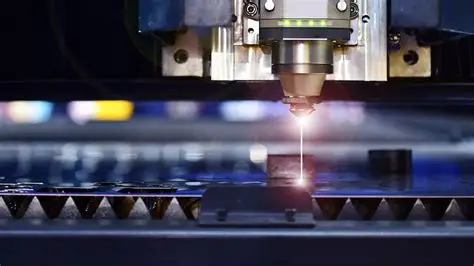
There was a time when laser technology meant car plants and giant production lines, but a lot has changed since then. Today, a desktop CO2 laser engraver is just as likely to sit in a local sign shop, a jewellery studio, a school makerspace or a one-person gift business. Machines have become more affordable, software has become easier to use, and the range of things a small workshop can make has grown. Here is what that shift looks like in practice and how to choose the right machine for your business.
1. They are incredibly versatile: from factory floor to local workshop
A decade ago, laser cutting meant a large investment, specialist operators and a dedicated industrial space. Now compact desktop machines start at a fraction of that cost, and larger production models are priced for growing businesses rather than multinationals. Three changes made the difference:
- Lower entry prices for reliable CO2 machines
- Simpler software that lets you go from artwork to finished product in one program
- Safer designs with enclosed housings, interlocks, and emergency stops
The result is that a small business can offer products and turnaround times that used to be out of reach.
2. Sign Making: Where Lasers Change the Economics Most
Signage is one of the clearest examples. Before laser cutting, intricate lettering, detailed logos, and custom shapes often meant routers, hand tools, and hours of finishing. With a CO2 laser, you can produce retail signs, office branding, property signage, wedding and event displays, architectural lettering and directional signs from a single digital file. A CO2 laser also leaves acrylic edges clean and often flame-polished, which cuts finishing time. For a sign maker, that usually means lower labour per job, faster turnaround and the capacity to take on more custom work.
Practical tip: run a test grid on each new material before quoting. Cutting speed, power and the width of the cut line (the kerf) vary by acrylic type and wood species, and knowing them lets you price accurately and avoid wasted sheets.
3. Short Runs, Personalisation and Prototyping
Lasers need no tooling, so a batch of one costs almost the same effort as a batch of fifty. That suits businesses that sell personalised products, such as gifts, engraved awards and wedding stationery, as well as workshops that make prototypes. A designer or small engineering firm can cut a test part from MDF, card or acrylic in minutes, check fit and form, adjust the file and cut it again, before committing to costly materials.Repeat work benefits too. Once a job is set up, you can reload the file and reproduce it exactly, which makes quality consistent and quoting faster.
4. Software Is as Important as Hardware
Much of the progress in recent years comes from software. Many small businesses use LightBurn, which lets you import artwork, edit designs, assign cutting and engraving settings, preview jobs, and send them to the machine from one interface. For a shop handling customer orders daily, that saves real time and reduces mistakes. Check that any machine you consider is LightBurn compatible, since it protects you from being tied to one closed ecosystem.
Safety and Materials Come First
As lasers spread into workshops, schools and homes, safe practice matters more. A safe setup includes:
- an enclosed machine with interlocks and an emergency stop
- effective extraction that vents fumes outside or through a filter
- clear operating procedures and staff training
- fire awareness, never leaving a running machine unattended
Material choice is just as important. Never laser PVC, because it releases corrosive chlorine gas, and avoid other materials that give off hazardous fumes.
5. Skills and Education
Schools and colleges use laser cutters in design and technology, engineering and STEM lessons. Students can design on screen, prepare the file, run the machine and hold the finished product in the same lesson. That builds design thinking, CAD skills and an understanding of real manufacturing workflows, and it gives future employees experience that small manufacturers value.
Where the Technology Is Heading
Large industries still drive innovation. In electric vehicle manufacturing, fibre lasers handle battery welding, component marking and traceability. Those advances eventually trickle down as better reliability and efficiency for smaller machines. For small businesses today, the useful distinction is simple: CO2 lasers are the all-rounders for wood, acrylic, MDF, leather, fabric, paper, and similar materials, while fibre lasers are the tool for bare metal marking.
Choosing a CO2 Laser for Your Business
The comprehensive collection of OMTech CO2 laser engravers covers everything from compact desktop units to large production machines. Use this as a starting point:
| If you need… | Look at | Highlights |
| A low-cost start and a small footprint | Desktop series: K40 Plus (40W, 300 × 200 mm), Polar Lite (55W, 500 × 300 mm) | Polar Lite adds autofocus, 500 mm/s and two rotary axes |
| Balanced cutting and engraving for small batches | Turbo series, 50W to 90W | Range of bed sizes, speeds up to 600 mm/s |
| More power and larger sheets | Max series, 100W to 150W | Beds up to 1600 × 1000 mm, autofocus on most models |
| Faster, more stable production | Pronto series, 60W to 150W | Speeds up to 1000 mm/s, autofocus |
| Industrial-style duty | Pro series | Speeds up to 1200 mm/s and a built-in water chiller on the Pro 2440 |
Think about your largest regular sheet, how much cutting versus engraving you do, and how many jobs you need per day. A larger bed lets you nest more parts per run, while more power helps with thicker materials and speed. If you expect to grow, choose a machine with some headroom rather than one that only just fits today’s work.
Why Buy From OMTech UK?
Choosing the machine is only part of the decision. OMTech UK offers:
- Showrooms where you can see machines running and test your own materials
- A free one-to-one buying consultation if you are unsure which model fits
- UK-based customer service and technical support
- Free shipping to the UK mainland on machines
- Laser Class 1 models and LightBurn compatibility across most of the CO2 range
Conclusion
Laser technology is no longer reserved for large factories. Signage businesses, gift makers, workshops, schools and designers are using CO2 lasers to cut finishing time, take on custom work and develop practical skills. The key is to match the machine to your materials, sheet size and volume. Browse the OMTech CO2 laser engravers, compare the series against your own workload, and book a consultation or showroom visit before you invest.