

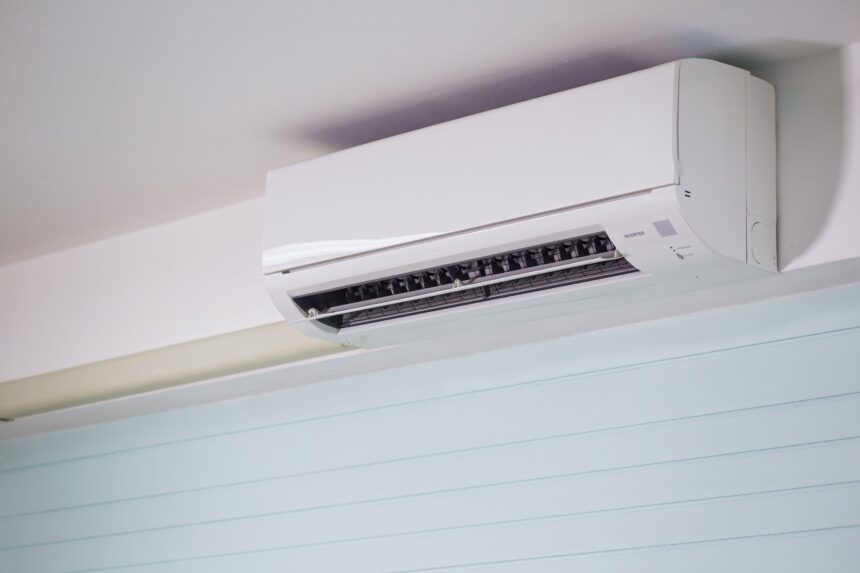
Air conditioning systems work hardest when outdoor temperatures rise and humidity increases. During these periods, dependable cooling becomes essential for maintaining a comfortable indoor environment. Working with a qualified air conditioning maintenance company can help homeowners prepare their equipment for seasonal demands.
Cooling systems gradually accumulate dust, experience mechanical wear, and develop performance changes. Without regular attention, these issues may affect airflow, temperature control, and overall operating efficiency.
Preventive maintenance provides an opportunity to identify potential concerns before they cause unexpected cooling interruptions.
Understanding the Importance of Air Conditioning Maintenance
Air conditioners depend on several components operating together to remove heat and moisture from indoor air.
Even relatively minor restrictions can influence performance.
Supporting Consistent Indoor Comfort
A properly maintained cooling system can respond more effectively to thermostat settings.
Clean filters, unobstructed coils, and functioning fans help maintain appropriate airflow and heat transfer.
When these components operate correctly, homeowners are less likely to experience avoidable cooling problems.
Reducing Unnecessary Energy Consumption
Dirty coils and restricted airflow can make cooling equipment work harder to achieve the desired indoor temperature.
Routine cleaning and inspection help maintain conditions that support efficient operation.
Actual energy savings depend on the equipment’s condition, operating patterns, and building characteristics.
Identifying Developing Mechanical Problems
Components naturally experience wear during regular use.
Preventive inspections can reveal loose electrical connections, deteriorating parts, or drainage problems before they become more disruptive.
What Does an Air Conditioning Maintenance Company Inspect?
A comprehensive maintenance visit generally involves examining multiple aspects of cooling equipment.
Air Filters and Airflow
Air filters help capture airborne particles before they circulate through the system.
When filters become clogged, airflow can decrease, affecting cooling performance.
Technicians may assess filter condition and evaluate accessible airflow pathways.
Evaporator and Condenser Coils
Cooling coils play a central role in transferring heat.
Dust and debris can interfere with this process, reducing equipment performance.
Appropriate cleaning helps maintain effective heat exchange.
Electrical Components and Controls
Air conditioners contain capacitors, contactors, wiring, motors, and control systems.
Qualified technicians can inspect these components for signs of deterioration or malfunction.
Condensate Drainage
Cooling equipment removes moisture from indoor air.
Blocked drainage pathways may cause water accumulation and potential property damage.
Inspecting drainage components helps reduce these risks.
How Often Should Cooling Equipment Be Maintained?
Most residential air conditioners benefit from professional maintenance at least once annually, ideally before the primary cooling season.
Equipment operating for extended periods or in dusty environments may require more frequent attention.
Homeowners should also follow manufacturer recommendations for filter cleaning and replacement.
An experienced air conditioning maintenance company can recommend an appropriate inspection schedule based on equipment condition and usage.
Simple Maintenance Habits for Homeowners
Professional inspections are important, but everyday care also contributes to reliable cooling.
Keep Outdoor Equipment Clear
Leaves, grass clippings, and vegetation can obstruct outdoor airflow.
Maintaining appropriate clearance around the unit supports heat rejection.
Monitor Cooling Performance
Changes in operating noise, cooling speed, or indoor humidity may indicate developing problems.
Noticing these changes early can help prevent prolonged operation under abnormal conditions.
Maintain Unobstructed Indoor Vents
Blocked supply and return vents can interfere with air circulation.
Keeping these pathways clear helps support consistent cooling throughout the home.
Homeowners looking for professional cooling maintenance in Ottawa can arrange seasonal inspections to evaluate equipment readiness.
Conclusion
Preventive cooling care plays an important role in maintaining indoor comfort and equipment reliability.
A qualified air conditioning maintenance company can identify developing problems, evaluate operating performance, and help homeowners understand essential maintenance requirements.
Combining professional inspections with routine household care supports efficient operation and prepares cooling equipment for demanding summer conditions.