

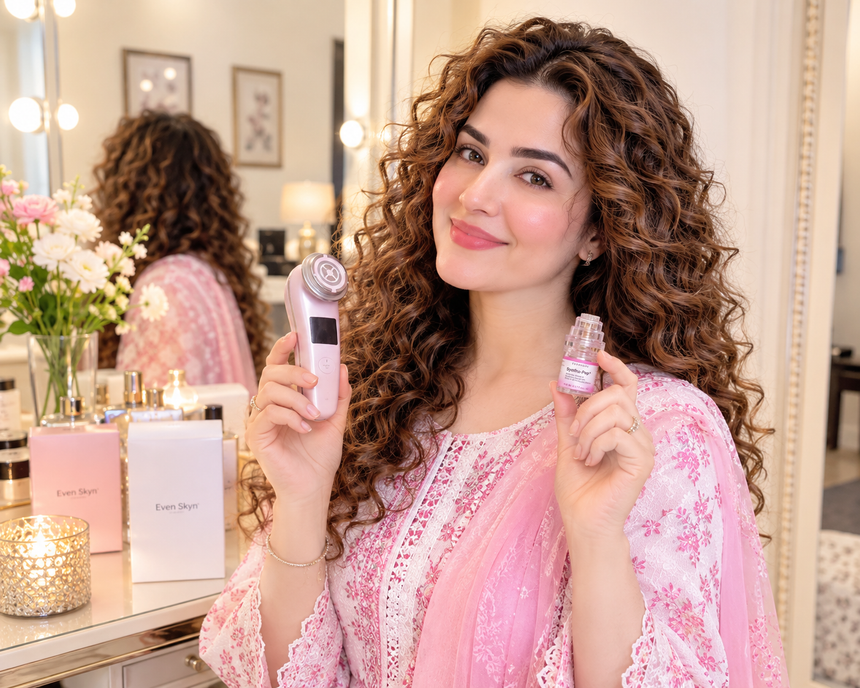
Healthy-looking skin is often the result of consistent care rather than an expensive collection of beauty products. With busy schedules, changing weather, and everyday environmental exposure, maintaining a skincare routine can sometimes feel challenging. However, creating an effective at-home skincare routine does not have to be complicated. A few carefully selected products, healthy daily habits, and an understanding of your skin’s needs can make a meaningful difference over time.
Modern skincare has also made it easier to explore professional-inspired treatments at home. Brands such as Even Skyn offer skincare solutions designed to complement everyday beauty routines, while innovative devices like the lumo-microinfuser introduce another approach to at-home skincare. Understanding how these options fit into a balanced routine can help individuals make more informed decisions about their skin.
Why At-Home Skincare Deserves More Attention
A consistent skincare routine is about more than appearance. Healthy skin plays an important role in protecting the body from external irritants, maintaining moisture, and supporting its natural barrier.
Daily exposure to sunlight, pollution, dry indoor air, and environmental changes can affect the skin’s condition. Without suitable care, some people may experience dryness, uneven texture, irritation, or a dull appearance.
The advantage of home skincare is that it allows individuals to build habits around their own schedules and preferences. Rather than relying entirely on occasional professional treatments, people can maintain regular care through simple morning and evening routines.
The key is to focus on consistency, select products according to individual skin needs, and avoid introducing too many new treatments at once.
Understanding Your Skin Before Choosing Products
One of the most important steps in developing a successful skincare routine is identifying your skin type. Different skin types respond differently to ingredients, textures, and treatment methods.
Normal Skin
Normal skin generally has a balanced appearance without excessive oiliness or dryness. People with this skin type can usually maintain their routine with gentle cleansing, moisturizing, and daily sun protection.
Dry Skin
Dry skin may feel tight, rough, or uncomfortable, particularly after washing. Moisturizers containing ingredients such as ceramides, glycerin, and hyaluronic acid can help support hydration and the skin barrier.
Oily Skin
Oily skin often produces excess sebum, which can contribute to a shiny appearance and clogged pores. Lightweight, non-comedogenic moisturizers and gentle cleansers are often useful choices.
Combination Skin
Combination skin typically includes oily areas, particularly around the forehead, nose, and chin, alongside drier areas on the cheeks. A balanced routine with products that address both concerns can help maintain comfort.
Understanding these differences makes product selection easier and reduces the likelihood of using treatments that do not suit your skin.
The Essential Steps of an Effective Home Skincare Routine
The Lumo-microinfuser skincare routine does not require dozens of products. In most cases, a few essential steps provide a practical foundation.
1. Start With Gentle Cleansing
Cleansing removes accumulated oil, sweat, sunscreen, makeup, and environmental impurities. It prepares the skin for the products applied afterward.
Choose a cleanser that suits your skin type. People with dry or sensitive skin may prefer fragrance-free, hydrating formulas, while those with oily skin may benefit from lightweight gel cleansers.
Avoid washing your face excessively or using harsh products that leave the skin feeling tight. Over-cleansing can interfere with the skin’s natural protective barrier.
2. Use a Suitable Moisturizer
Moisturizing is important for maintaining comfortable, hydrated skin. Even people with oily skin benefit from using an appropriate moisturizer.
Ingredients such as hyaluronic acid help attract moisture, while ceramides support the skin barrier. Glycerin is another useful ingredient commonly included in hydrating skincare products.
Apply moisturizer after cleansing, while following the instructions provided with any additional treatment products.
3. Make Sunscreen a Daily Habit
Sun protection is one of the most important parts of any skincare routine. Ultraviolet exposure contributes to premature skin aging, pigmentation changes, and an increased risk of skin cancer.
A broad-spectrum sunscreen with SPF 30 or higher is generally recommended for daily use. Apply it generously to exposed skin and reapply approximately every two hours when outdoors, or more frequently after swimming or sweating.
Even on cloudy days, UV exposure remains possible. Making sunscreen a consistent morning habit can help protect the skin over the long term.
Exploring Modern At-Home Skincare Technology
Traditional skincare products remain essential, but modern beauty technology has introduced additional options for people interested in expanding their routines.
At-home skincare devices are becoming increasingly popular because they allow consumers to explore different treatment approaches without scheduling frequent appointments. However, it is important to understand how these devices work and follow their instructions carefully.
What Is Micro-Infusion Skincare?
Micro-infusion skincare is a beauty treatment approach involving specialized devices designed to create very small contact points on the skin while applying skincare formulations.
Different devices use different technologies, needle configurations, and application methods. Therefore, consumers should understand the specific design and instructions of any product before using it.
The lumo-microinfuser is an example of a product within the growing at-home beauty technology category. When considering a device of this type, users should review its intended purpose, application instructions, ingredient compatibility, and recommended usage frequency.
It is also important to remember that at-home devices are not automatically equivalent to professional dermatological procedures. Products that involve needles or skin penetration require particular attention to hygiene, safety, and suitability.
Important Considerations Before Using an At-Home Device
Before introducing a new skincare device, consider the following:
- Understand the instructions: Read the manufacturer’s guidance carefully before the first application.
- Maintain hygiene: Follow all cleaning and sanitation recommendations to reduce contamination risks.
- Check ingredient compatibility: Avoid combining treatments with potentially irritating ingredients unless the manufacturer or a qualified professional confirms they are suitable.
- Avoid compromised skin: Do not use devices on irritated, infected, wounded, or inflamed skin.
- Know when to seek professional advice: People with active skin conditions or concerns about skin sensitivity should consult a qualified dermatologist before using devices that penetrate the skin.
Taking these precautions helps ensure that skincare remains focused on skin health rather than unnecessary experimentation.
Creating a Morning and Evening Skincare Schedule
One reason people struggle with skincare is that they make their routines unnecessarily complicated. Separating daily care into morning and evening steps can make the process easier to maintain.
A Simple Morning Routine
A practical morning routine can include:
- Gently cleanse the face.
- Apply a suitable hydrating serum if needed.
- Use a moisturizer appropriate for your skin type.
- Finish with broad-spectrum SPF 30 or higher.
The objective is to hydrate the skin and provide protection against everyday environmental exposure.
A Simple Evening Routine
Evening skincare focuses on removing the day’s accumulated impurities and supporting the skin’s natural overnight processes.
A basic routine may include:
- Remove makeup and sunscreen.
- Cleanse the face gently.
- Apply an appropriate treatment product.
- Finish with a moisturizer.
If you use specialized skincare devices, keep their recommended schedules separate from your ordinary routine. Avoid excessive treatments, as more frequent application does not necessarily produce better results.
Everyday Habits That Support Healthy-Looking Skin
Skincare products are only one part of maintaining healthy skin. Everyday lifestyle choices can also influence its appearance and overall condition.
Maintain a Balanced Diet
A varied diet containing vegetables, fruits, whole grains, healthy fats, and adequate protein provides nutrients that support normal skin function.
Foods containing vitamin C, vitamin E, and other antioxidants contribute to overall nutritional health. However, no individual food can guarantee clear or glowing skin.
Drink Enough Water
Staying hydrated supports normal body functions, including skin function. Individual hydration needs vary depending on activity levels, climate, and other factors.
Although drinking additional water is not a replacement for topical moisturizers, maintaining adequate hydration is a useful everyday habit.
Prioritize Quality Sleep
Sleep provides an opportunity for the body to recover from daily activities. Maintaining a consistent sleep schedule can support general well-being and help people manage the effects of everyday stress.
Avoid Constantly Changing Products
Switching between multiple products can make it difficult to identify what works. Introducing one new product at a time allows you to observe how your skin responds.
This approach is especially helpful for people with sensitive skin or those experimenting with active ingredients.
Making Skincare More Sustainable and Consistent
A successful skincare routine should fit comfortably into everyday life. Spending a significant amount of money on products is not necessarily the best way to achieve better results.
Instead, focus on purchasing products that serve a clear purpose. A gentle cleanser, suitable moisturizer, and reliable sunscreen provide a strong foundation for most routines.
For additional guidance, readers can explore Focus Press’s article on Daily Skincare Habits for Healthy, Glowing Skin, which complements the idea that everyday consistency plays an important role in maintaining a healthy-looking complexion.
It is also worth reviewing product labels, checking ingredient lists, and paying attention to expiration dates. Store skincare products according to manufacturer recommendations, particularly those containing sensitive active ingredients.
Conclusion
Building an effective at-home skincare routine does not need to be complicated. Understanding your skin type, cleansing gently, moisturizing regularly, and applying sunscreen consistently can create a reliable foundation for long-term skin care.
Modern beauty innovations, including micro-infusion devices, offer additional options for people interested in exploring different approaches to home skincare. However, these products should always be used according to their specific instructions, with appropriate attention to hygiene and skin sensitivity.
Ultimately, healthy-looking skin comes from informed choices and realistic expectations. By combining essential daily habits with carefully selected skincare products and responsible use of modern technology, individuals can develop a routine that is practical, enjoyable, and easier to maintain over time.