

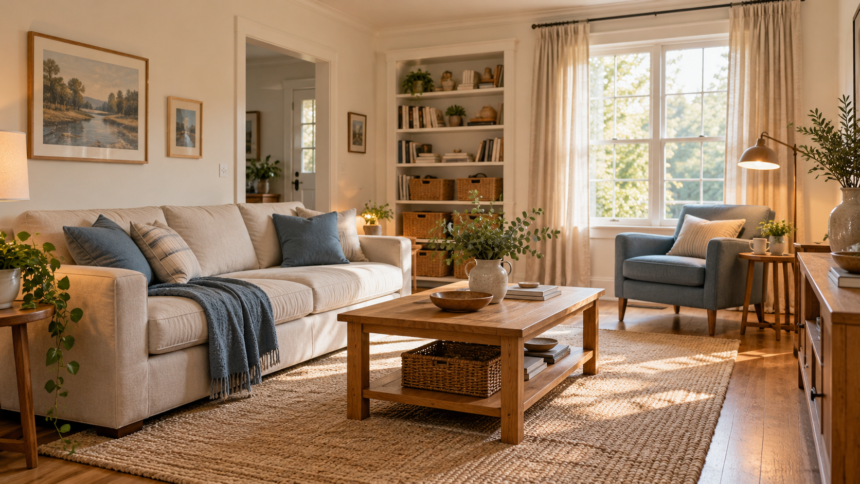
Looking for decoradhouse upgrade tips by decoratoradvice? Start with small changes that help your home look fresh and work better. You do not need to replace every chair, paint every wall, or spend all your savings. A useful upgrade solves a real problem, such as poor lighting, crowded floors, or missing storage. This guide explains how to plan simple updates, use what you own, and choose changes that suit your daily life.
Start With One Room and One Goal
Choose the room that needs the most help. Look around and name its main problem. Perhaps the living room feels crowded, or your bedroom has nowhere to keep books.
Write down one clear goal before shopping. For example, you might want a clear path from the door to the sofa. Set a spending limit and include small costs, such as screws, paintbrushes, or delivery. A clear plan helps you choose useful changes and avoid buying things you cannot use.
Clear Clutter Before Adding Decorations
Empty one shelf, drawer, or corner at a time. Keep things you use, set aside useful items to give away, and remove broken objects you cannot repair.
Clean the space before putting anything back. Then group items by their purpose. Keep reading books near your chair and cooking tools near the area where you prepare food. Try living with the tidier space for a few days. You may find that you need fewer new items than you expected.
Move Furniture to Improve the Layout
Before buying furniture, try moving what you have. Place seats where people can talk comfortably. Leave enough space to open doors and drawers without hitting another item.
Measure the room and furniture before making changes. You can mark a planned furniture shape on the floor with suitable removable tape. Check the tape on a hidden spot first. Walk around the marked area to see whether the new piece would fit your daily movements. Keep vents and exits clear.
Choose Paint With Care
Fresh paint can change how a room looks without replacing its furniture. Choose a color that works with the floors, curtains, and larger items you plan to keep. Test a small sample and view it during the day and evening.
Clean and prepare surfaces as the paint maker directs. Use paint made for indoor walls, and follow its safety instructions. Bring in fresh air during and after painting. The EPA explains that ventilation helps reduce exposure to paint vapors. epa.gov
Make Lighting Fit Each Activity
Think about what happens in each part of the room. A ceiling light may light the whole space, while a desk lamp helps with reading or homework. Place lamps where they serve a clear purpose without shining into your eyes.
When comparing bulbs, check lumens for brightness. Watts tell you how much power a bulb uses. The Department of Energy explains this difference in its lighting guidance. Choose bulbs that fit your lamp and follow the fixture’s limits and instructions.
Add Storage Where You Need It
Storage works best when it is easy to reach and simple to use. Put a basket near the sofa for blankets or a tray by the door for keys. Measure shelves and cupboards before buying boxes.
Keep heavy items on lower shelves. Secure furniture that could tip over, following the maker’s directions. The Consumer Product Safety Commission recommends anchoring furniture and televisions to reduce tip-over risks. These decoradhouse upgrade tips by decoratoradvice work best when comfort and safe use guide each choice.
Refresh Soft Items and Small Details
Try changing cushion covers, a throw, or curtains before replacing larger furniture. Choose washable fabrics if spills are common. Read care labels so you know how to keep each item clean.
Repeat a favorite color in a few places if you want a more connected look. You could match a blue cushion with blue details in a picture. For cabinet handles, measure the space between existing screw holes before buying replacements. Test one handle before ordering a full set.
Test Each Change Before Doing More
Use the updated room for several days. Notice whether you can find things, move easily, and sit comfortably. If a new table blocks your path, change its position before adding more decorations.
Take a photo before and after each project. This can help you see which changes you like. Keep a short note of paint names, furniture sizes, and costs. That record makes future choices easier and helps you avoid buying items that do not fit.
FAQ: What Should I Upgrade First?
Start with the problem that affects you most each day. Clear a blocked walkway, improve a dark reading spot, or create storage for items that often get lost.
FAQ: Can I Improve a Room Without Buying Anything?
Yes. Clean surfaces, remove clutter, move furniture, and display items you already own. Try these free steps before deciding whether the room needs something new.
FAQ: How Do I Choose a Paint Color?
Start with colors in furniture and flooring you will keep. Test paint samples in the room and check them under daylight and your usual evening lights.
FAQ: How Can I Make a Small Room Easier to Use?
Choose furniture that fits the available space. Keep walking paths clear and give everyday items a home. Avoid adding storage units that prevent doors from opening fully.
FAQ: How Do I Avoid Wasting Money?
Measure first, set a spending limit, and buy for a clear need. Check product sizes, care instructions, and return terms before paying. Complete one project before starting another.
Conclusion
Using decoradhouse upgrade tips by decoratoradvice starts with understanding your space. Pick one problem, make a clear plan, and try simple changes first. Clear clutter, improve furniture placement, choose useful lighting, and add storage where daily tasks happen. Test colors and measure purchases before spending money. Your finished room should suit the people who use it, with choices that are easy to enjoy and maintain each day.
Read also Newsletter From ShopNaclo: What to Know Before You Subscribe