

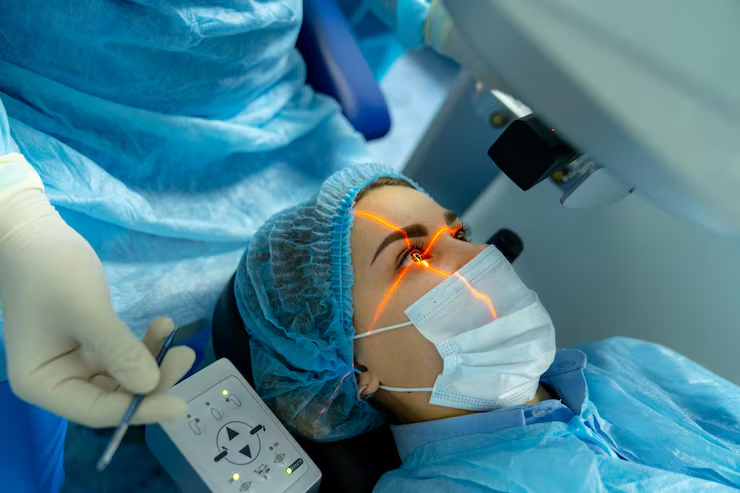
Maintaining clear vision requires a proactive approach to ocular health, especially for patients considering corrective laser procedures alongside existing eye conditions. Many individuals seeking refractive correction consider transPRK surgery in London as an advanced surface-based laser option. However, managing intraocular pressure remains essential if you have or are at risk for conditions like open-angle glaucoma. Combining vision correction with long-term preventative care demands tailored medical advice and precise clinical evaluation. Specialist clinics across the capital offer integrated care pathways designed to protect optical nerve health while improving visual acuity. Understanding how modern surgical techniques align with specialised eye therapies ensures better long-term visual outcomes for every patient.
Understanding TransPRK and Surface Laser Resurfacing
Transepithelial Photorefractive Keratectomy, commonly known as TransPRK, represents a significant refinement in surface-based laser vision correction. Unlike traditional LASIK, which requires creating a corneal flap with a mechanical microkeratome or femtosecond laser, TransPRK is a completely touchless procedure. A single excimer laser removes the outer epithelium and reshapes the underlying corneal stroma in one continuous step. This touchless approach minimises mechanical trauma, preserving the structural integrity of the cornea.
Who Benefits from Surface Ablation?
Surface treatments offer distinct advantages for patients with thinner corneas, irregular corneal topography, or dry eye tendencies. Individuals who participate in contact sports or work in demanding physical environments often prefer TransPRK because it eliminates flap-related complications altogether. The recovery timeline involves temporary discomfort while the epithelial layer naturally regenerates over three to five days, followed by steady visual improvement over several weeks.
Because the procedure leaves the deeper corneal layers intact, surgeons can maintain accurate baseline measurements for future eye examinations. This aspect proves particularly valuable when monitoring intraocular pressure and optic nerve health over time. Consequently, opting for transPRK surgery in London gives patients access to leading ophthalmic surgeons who utilise advanced diagnostic tools to verify candidacy before proceeding with treatment.
Glaucoma encompasses a group of eye conditions characterised by progressive damage to the optic nerve, frequently associated with elevated intraocular pressure. Often called the silent thief of sight, glaucoma can advance without early symptoms, gradually diminishing peripheral vision before affecting central sight. Effective management focuses on lowering fluid pressure within the eye to prevent further damage to sensitive optical nerve fibres.
Therapeutic Approaches and Interventions
Treatment protocols range from daily prescription eye drops that reduce fluid production or improve drainage, to advanced laser therapies such as Selective Laser Trabeculoplasty (SLT). SLT uses low-energy laser pulses to target specific cells in the eye’s drainage meshwork, enhancing fluid outflow without damaging surrounding tissue. When pharmaceutical or laser approaches prove insufficient, micro-invasive glaucoma surgery (MIGS) or traditional filtration procedures provide additional pressure reduction.
Accessing comprehensive glaucoma treatment in London allows patients to receive highly personalised care plans from experienced ophthalmic consultants. Top medical institutions utilise high-resolution Optical Coherence Tomography (OCT) scanning and automated visual field testing to track structural changes in the optic nerve head over time. Early diagnosis and consistent monitoring remain the most reliable defences against irreversible vision loss, helping individuals maintain visual clarity and quality of life throughout their years.
Evaluating Suitability for Combined Eye Care Pathways
Determining whether a patient with ocular hypertension or mild glaucoma can safely undergo vision correction requires a meticulous diagnostic evaluation. While refractive laser surgery corrects refractive errors such as myopia, hyperopia, and astigmatism, it does not cure underlying optic nerve diseases. Therefore, eye care specialists conduct thorough pre-operative workups before recommending combined or sequential care plans.
Corneal Thickness and Pressure Measurement Accuracy
Refractive laser procedures alter corneal curvature and thickness, directly impacting how intraocular pressure is measured. Standard Goldmann applanation tonometry relies on normal corneal thickness to yield accurate pressure readings. Thinning the cornea through surface ablation can result in artificially low pressure readings during subsequent routine check-ups. To compensate for this shift, clinicians apply precise correction algorithms based on detailed corneal pachymetry measurements taken before and after surgery.
Patients undergoing glaucoma treatment in London must ensure their refractive team and glaucoma specialist communicate effectively. Selecting a renowned clinic offering transPRK surgery in London guarantees that post-operative pressure monitoring remains accurate over the long term. Specialists carefully recalculate target intraocular pressure baselines using post-laser corneal parameters, ensuring optic nerve health remains thoroughly protected without compromising visual correction gains.
Post-Operative Management and Corticosteroid Considerations
Recovery from surface ablation requires a carefully monitored regimen of prescribed eye drops to control inflammation, prevent corneal haze, and promote smooth epithelial healing. Steroid eye drops form a critical component of the post-operative healing protocol following surface laser procedures. However, topical corticosteroids can induce a temporary increase in intraocular pressure in susceptible individuals, commonly referred to as steroid responders.
Mitigating Pressure Spikes During Healing
For patients with pre-existing optic nerve vulnerabilities or elevated baseline pressure, managing post-operative steroid use demands heightened clinical vigilance. Ophthalmic surgeons often choose fluorometholone or loteprednol etabonate—so-called soft steroids that carry a significantly lower risk of elevating intraocular pressure—rather than higher-potency alternatives. Furthermore, clinical teams schedule frequent pressure checks during the first four to eight weeks following surgery to detect any pressure elevation early.
If a pressure spike occurs, clinicians promptly adjust the steroid dosage or introduce temporary pressure-lowering drops such as carbonic anhydrase inhibitors or beta-blockers. Leading medical centres providing glaucoma treatment in London utilise these refined medication protocols to balance corneal healing against nerve preservation. Through meticulous monitoring, surgical teams prevent pressure-induced optic nerve damage while patients achieve optimal visual clarity.
Achieving clear vision through laser treatment represents a transformative step, but maintaining lifelong optical health requires continuous medical oversight. Modern ophthalmic care across London emphasises an integrated approach where refractive surgeons and glaucoma sub-specialists collaborate closely. This multidisciplinary framework ensures that functional vision improvements do not overshadow essential chronic disease management priorities.
Advanced Diagnostic Technologies in Clinical Practice
Leading eye hospitals and private clinics utilise cutting-edge technology to establish comprehensive patient profiles. Advanced visual field analysers, corneal topographers, and spectral-domain OCT systems capture detailed baseline measurements prior to any intervention. By storing these digital records, practitioners perform accurate comparative analyses over years or decades, distinguishing normal post-laser corneal changes from early indicators of optic nerve compromise.
Patients who receive coordinated care benefit from unified treatment strategies that address both refractive errors and intraocular pressure dynamics simultaneously. Regular follow-up appointments allow clinicians to monitor optic disc cup-to-disc ratios and retinal nerve fibre layer thickness accurately. This proactive stance protects against silent vision loss while enabling patients to enjoy freedom from reliance on strong spectacles. By choosing accredited clinics with multidisciplinary expertise, individuals ensure their eyesight remains clear, stable, and protected throughout their lives.
Final Thoughts
Balancing laser vision correction with ongoing ocular health management requires careful planning, advanced diagnostics, and specialist expertise. Surface-based laser procedures provide an effective solution for refractive errors, while structured treatment protocols keep intraocular pressure safely under control. By understanding how corneal changes influence pressure readings and managing post-operative recovery diligently, patients can achieve excellent visual outcomes without compromising nerve safety. Consulting experienced ophthalmic surgeons who offer coordinated care ensures that both vision enhancement and long-term optic nerve protection are prioritised. Investing in comprehensive diagnostic evaluations and maintaining regular eye examinations guarantees that your sight remains sharp, comfortable, and well-protected for years to come.