

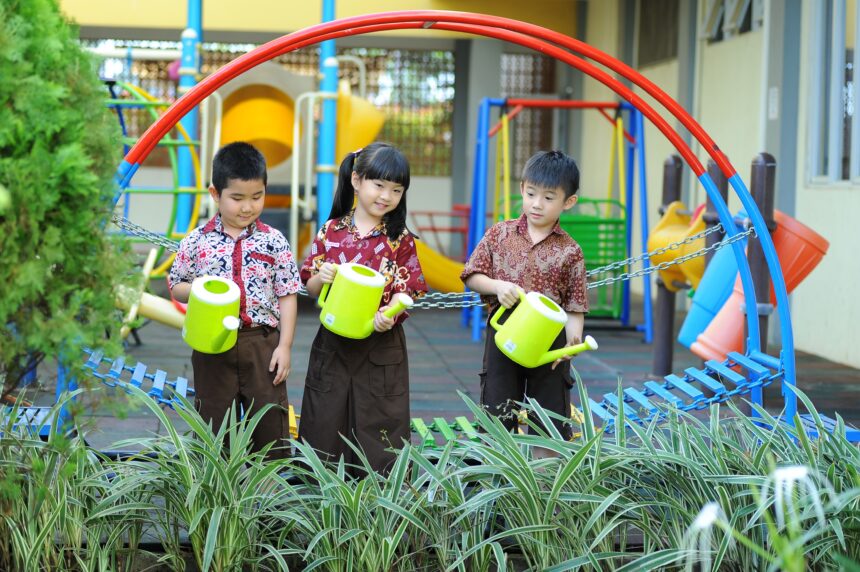
Creativity begins long before children learn to write detailed stories or solve complicated problems. It develops when they experiment, ask questions, and discover different ways to complete everyday tasks. A nurturing nursery school can encourage these abilities through open-ended activities, imaginative play, and practical exploration. For parents in Whitefield, understanding the value of creative learning can help them identify a suitable early education environment.
Creativity Is More Than Artistic Ability
Creativity involves generating ideas, exploring possibilities, and approaching situations with curiosity.
Children demonstrate creative thinking when they invent games, build unusual structures, or imagine different uses for familiar objects.
Encouraging Original Ideas
Educators can ask questions that invite children to think independently.
Rather than expecting one correct answer, they can encourage different explanations and solutions.
This approach helps children become comfortable sharing ideas.
Learning Through Open-Ended Play
Open-ended activities allow children to decide how materials should be used.
Building blocks, imaginative play areas, and creative materials offer numerous possibilities.
Exploring Without Fixed Outcomes
Children may build towers, create imaginary houses, or arrange objects into patterns.
The activity becomes meaningful because they make decisions throughout the process.
Educators can support exploration without controlling every step.
Developing Problem-Solving Skills
Young children encounter small challenges during everyday play.
A structure may collapse, a puzzle piece may not fit, or a group activity may require cooperation.
These moments create opportunities for learning.
Encouraging Persistence
Adults can help children consider alternatives instead of immediately solving problems for them.
Simple prompts encourage observation and experimentation.
Children gradually learn that mistakes are part of discovery.
The Role of Imaginative Play
Pretend play allows children to explore familiar experiences in creative ways.
They may imitate household routines, invent characters, or create imaginary situations.
Strengthening Language Through Imagination
Imaginative activities encourage conversation and storytelling.
Children practise explaining ideas, negotiating roles, and describing events.
These interactions support communication and social development.
Introducing Early Scientific Thinking
Young children naturally investigate how objects behave.
They may notice that some objects roll, others stack, and different materials produce different sounds.
Encouraging Observation
Simple activities involving shadows, colours, textures, and natural materials introduce basic inquiry skills.
Educators can ask children what they notice and what they think might happen next.
Such experiences support curiosity without requiring advanced explanations.
Balancing Guidance and Independence
Children benefit from adult support, but excessive direction can limit experimentation.
A nursery school should provide opportunities for independent exploration alongside guided activities.
Recognising Individual Interests
Some children enjoy construction activities, while others prefer music or storytelling.
Educators can introduce varied experiences to accommodate these preferences.
Children should feel comfortable trying unfamiliar activities.
Supporting Creativity at Home
Parents can encourage creative thinking through simple everyday experiences.
Building with household objects, inventing stories, and discussing observations can inspire exploration.
The goal is to encourage curiosity rather than demand perfect results.
Families researching Whitefield preschool options can review the early learning location on the map before visiting.
Conclusion
A thoughtfully designed nursery school supports creativity and problem-solving by encouraging children to explore, experiment, and express original ideas. Open-ended play, imaginative experiences, and practical challenges develop confidence and independent thinking. When educators and parents value curiosity over perfect outcomes, children can develop a positive attitude toward learning that continues well beyond their preschool years.